



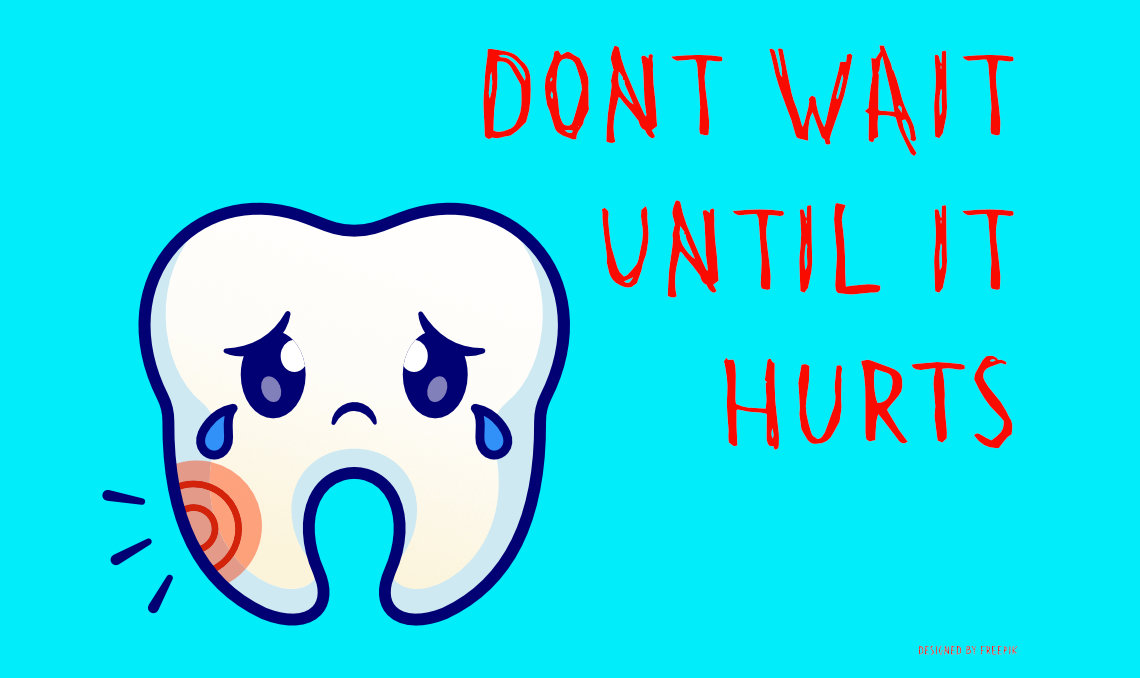
If your dentist has advised a tooth extraction, you may feel upset or anxious. That reaction is completely normal. No one wants to lose a tooth. Many patients hope the problem will settle or try to delay treatment for as long as possible.
However, delaying an extraction often makes the situation worse.
When we recommend removing a tooth, we do so for a clear clinical reason. The tooth may have deep decay, a crack below the gum, or advanced infection. At this stage, the tooth cannot recover. If you leave it untreated, the infection usually spreads.
An infected tooth can cause severe pain. You may notice swelling, difficulty chewing, or disturbed sleep. In some cases, a dental abscess can form. Abscesses can spread infection into the jaw, face or neck. What starts as mild discomfort can quickly turn into a dental emergency.
Many patients in this situation need antibiotics. We sometimes prescribe them because high infection levels make it harder to get you fully numb. However, antibiotics only control the infection temporarily. They do not remove the source of the problem. Without extraction, the infection often returns.
Early treatment reduces pain, risk and stress.
You should also think about what happens after the extraction. Leaving a gap in your mouth can cause nearby teeth to drift. It can affect your bite and increase wear on other teeth. Over time, it may even change your facial support.
We encourage patients to plan replacement options early. Dental implants, bridges or dentures can restore function and protect your long-term oral health. Planning ahead gives you more choice and better results.
At Bicton Place Dental, we focus on preventative care. We want to stop small problems becoming painful emergencies. We never recommend extraction lightly. When we do, we act in your best interests.
If you have been advised to have a tooth removed, please do not delay. Book your appointment. Let us help you resolve the problem safely and comfortably — and guide you through your next steps with care and clarity.